
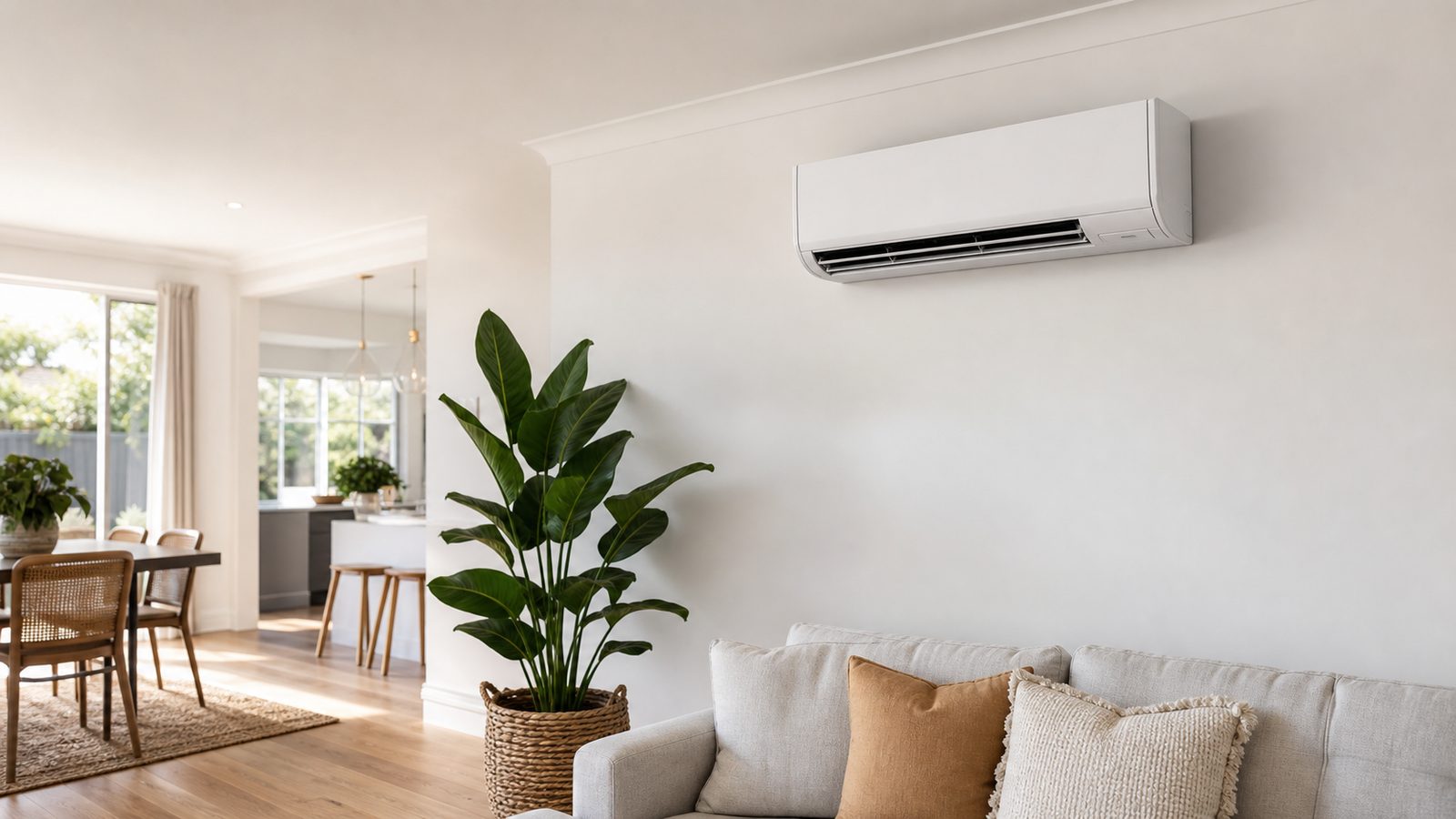
Separate one difficult room from a whole-system problem
Start with the rooms that are comfortable. If the lounge and other bedrooms cool normally while one bedroom remains warm, describe that difference in your enquiry. If every room struggles together, the investigation is broader. Write down whether the difficult room has always behaved this way or changed recently. A longstanding design or balancing issue deserves a different conversation from a sudden loss of airflow after roof work. Do not assume the age of the equipment explains a new room-specific problem.
On the Sunshine Coast, a bedroom used overnight may receive its strongest heat earlier in the afternoon. Note when sun falls on the windows and external wall, when blinds are closed and when cooling starts. A Buderim room beneath a large roof area and a Caloundra bedroom behind shaded glazing may behave differently within otherwise similar houses. Use the features of your actual room, including any recent renovation or change in furnishings, instead of relying on a suburb-wide rule about the size of air conditioner you need.
Find out what the original zone design intended
A controller with several zone buttons does not prove the system was designed to cool every zone together at full demand. Fujitsu's day-and-night zoning guidance explains that some installations are arranged around one major zone at a time. Find the original proposal, zone labels and operating instructions if you have them. Ask which combinations were intended, whether a common zone must remain open, and whether the controller reports actual room temperature or simply selects an air path.
Photograph the controller before changing anything. Check that the bedroom zone is enabled and that the displayed name corresponds to the room you think it does. Labels can become confusing after a nursery turns into an office or room names change. Do not enter installer menus or change minimum-zone settings yourself. Those settings may protect the airflow the equipment needs. If the normal household routine no longer matches the original design, an assessor should explain the options and limitations rather than expecting everyone to live around an unexplained controller rule.
Observe what changes when the bedroom door closes
Air supplied to a room needs a suitable path back to the return-air system. A bedroom that cools with its door open but becomes uncomfortable with the door closed gives the assessor a useful clue. Compare the two conditions during a normal operating period without changing the thermostat at the same time. Note whether the door feels pulled, whether there is new whistling and whether airflow at the room outlet seems to change. These observations do not identify a precise pressure or prove a specific remedy.
Show where the return grille sits and what lies between it and the bedroom. A hallway cupboard, furniture against a grille or a recently enclosed space can affect the arrangement. Do not cut a transfer grille, trim a door or remove a fire-rated component based on an online suggestion. The room may need a designed return path, a balancing adjustment or another correction. Tell the assessor that you need the door closed for sleeping or calls. An answer that only works with the door permanently open may not meet your actual needs.
Compare outlets without dismantling anything
From a safe position, observe whether the problem room receives noticeably less air than a nearby comfortable room. Check for an accidentally closed adjustable outlet, a curtain across a grille or a tall wardrobe interfering with the air path. Keep the original positions recorded before touching a user-adjustable control. Feeling air with your hand is only a rough comparison; it does not measure the volume delivered or establish whether the temperature is correct. It can still help describe a change that started suddenly.
Leave roof-space inspection, dampers and duct alterations to someone with suitable access and skills. A duct might be disconnected, compressed, damaged or poorly routed, but you cannot establish which from a warm room alone. Tell the technician about roof repairs, pest activity or electrical work that preceded the change. Ask whether the inspection will include the branch serving the affected bedroom and its connections, not only the main indoor unit. A whole-system service may be useful, but it should not substitute for investigating the specific complaint you booked.
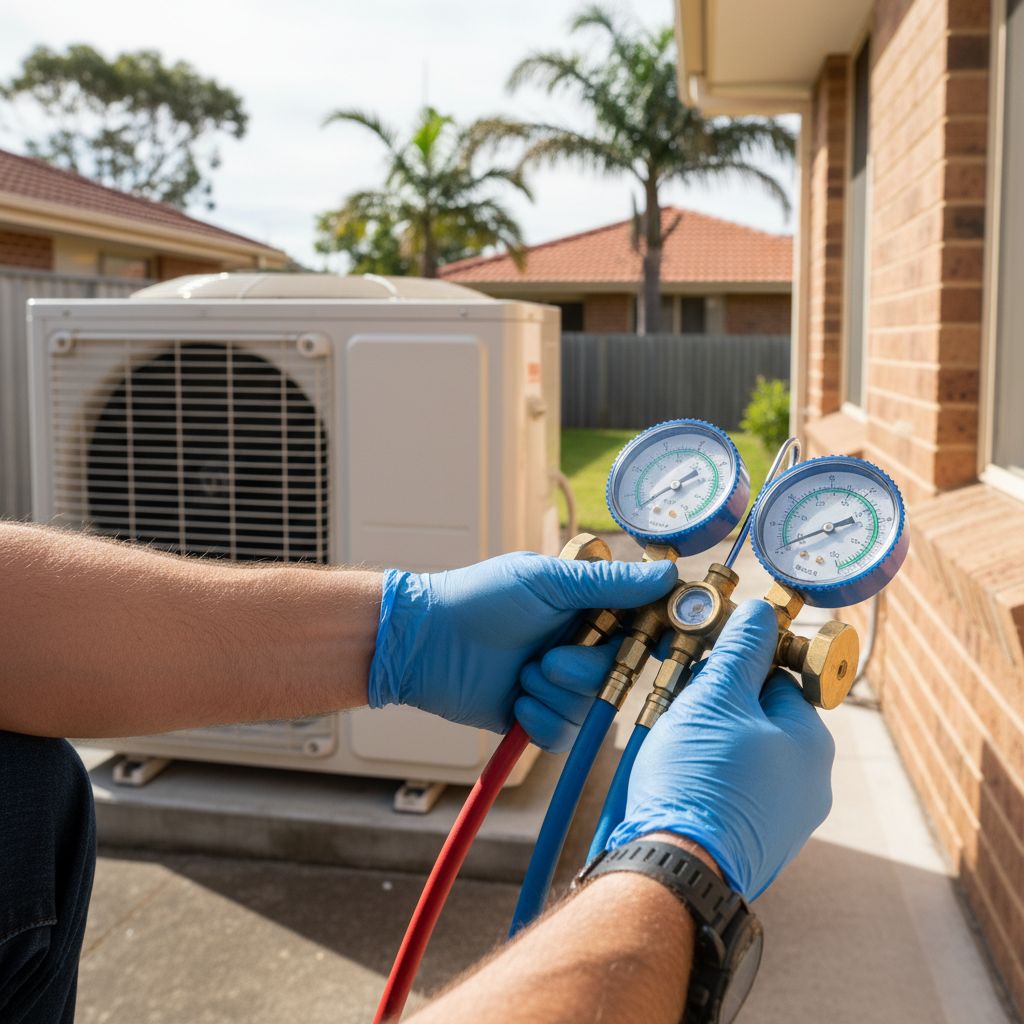
Compare heat entering the room with air reaching it
A room with strong afternoon sun may need attention to both heat gain and air delivery. Record the windows, shading and time the room becomes uncomfortable. Try the existing blinds before the sun heats the room and note whether that changes the later result. Do not claim a particular saving from this experiment; use it to identify how much the pattern depends on the sun. The assessment should also consider ceiling insulation and roof-space conditions where relevant and safely accessible to the assessor.
A supply outlet can feel cool while the room remains warm because the air delivered does not match the room's load or does not mix where people sit and sleep. Conversely, adding another outlet does not create more cooling capacity by itself. Ask what problem the proposed change addresses: heat gain, airflow quantity, distribution, return path or equipment capacity. A useful explanation connects the observation to the remedy. If the answer is simply to make the bedroom colder on the controller, ask what happens to the rest of the home under that arrangement.
Run a comparison that a technician can use
Choose an ordinary period when the problem occurs and record the active zones, controller setting, door position and approximate room conditions. Compare the difficult bedroom with one room that normally performs well. Use the same thermometer in a comparable position if you have one, allowing it to settle rather than moving it rapidly between rooms. Avoid placing it directly in the supply stream or on a sunny windowsill. Include whether the room was occupied and whether a computer or other heat-producing equipment was running.
Repeat with one permitted zone combination from the user instructions. If cooling improves when fewer rooms call for air, record that rather than concluding the unit is defective. If only the bedroom remains poor under every normal combination, make that clear. Stop experimenting if the system shows an error, unusual noise, water leakage or electrical symptoms. The aim is a short account of repeatable behaviour, not an extended stress test. Save your notes so the technician can inspect the system in a configuration that reproduces the problem.
Hypothetical example: a bedroom used as a nursery
A family in Sippy Downs changes a spare bedroom into a nursery. Previously the door stayed open and the room was rarely occupied in the afternoon. With the door closed, it becomes the warmest room while the lounge stays comfortable. The family initially asks for a bigger ducted unit. Their observations show the room improves with the door open, and the controller senses temperature in the hall. That is enough to justify a targeted inspection of return airflow, sensing and room delivery before committing to a whole-system replacement.
The assessor still needs to examine the actual ducts and equipment. Door position alone cannot decide whether a transfer path, control change, balancing work or another approach is suitable. The family records their requirement for a closed door and quiet overnight operation. They also ask for the proposed arrangement to be checked with the other occupied bedrooms in use. That last step matters: moving more air into one room can affect the others. The desired outcome is a usable sleeping arrangement across the home, rather than a single cold outlet during a demonstration.
Avoid fixes that merely move the discomfort elsewhere
Closing most outlets to force air into one bedroom can upset the system's intended airflow. Only use the zone controls and combinations permitted by the operating instructions. Another common mistake is accepting a colder hallway as the price of cooling the bedroom. A sensor in the wrong place or an unsuitable control arrangement can make that compromise repeat every night. Ask how the proposed solution will be tested where people actually sleep, with doors positioned as they normally are.
Do not accept a duct cleaning recommendation as proof that a crushed or disconnected duct has been repaired. Cleaning, repair and balancing are different tasks. Likewise, a smart controller cannot repair a torn duct or guarantee that an existing unit can operate comfortably with only one small zone selected. Request an itemised scope that names the problem being addressed and any remaining uncertainty. If access prevents inspection, ask what evidence is missing and whether the quote may change once the branch duct can be examined. That is more useful than a promise based solely on a floor plan.
Agree on what a successful correction should demonstrate
Before approving work, describe the rooms and zone combination you need to use together. State whether the bedroom door must be closed, when the room is occupied and which other rooms currently perform well. Ask for the relevant airflow and controls to be checked after the work, and for the operating instructions to reflect any change. If the system has a genuine capacity or design limit, have that explained in terms of everyday use so you can compare a correction with a separate bedroom solution.
Keep the original observations and repeat them after the work under similar weather and household conditions. Record improvement and anything unresolved. A short commissioning check cannot reproduce every hot afternoon, but it should demonstrate the agreed operating configuration and explain what to monitor. Use the decision tool below to create a brief that distinguishes a door-related issue, a sun-related pattern and a sudden loss of air. Bring that brief together with your controller photos and floor sketch so the visit starts with the question that matters to your household.