
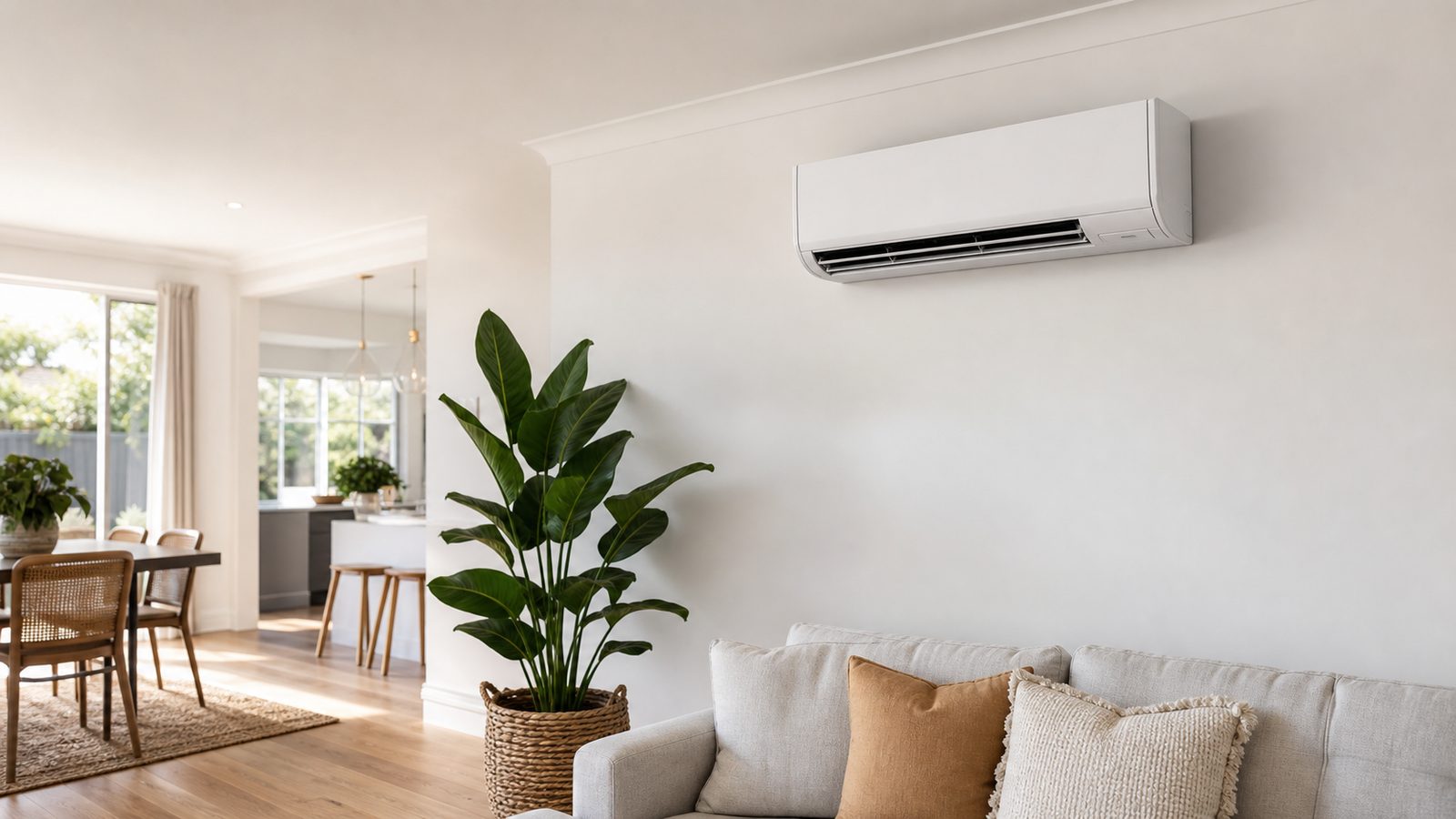
Write down why you are replacing it
Begin with the outcome you want from a replacement. The old unit may have failed, become noisy, struggled after a renovation or simply no longer suit how the room is used. Keep the fault diagnosis or repair quotation if one exists. A replacement enquiry should explain both what is wrong now and what you want to improve. Otherwise, the new equipment can inherit the same poor location, awkward airflow or unsuitable control arrangement as the old system.
Photograph the indoor and outdoor model labels from a safe position. Record any known repair history and whether the problem developed suddenly or gradually. Avoid treating age alone as a complete decision rule. If the diagnosis is uncertain, ask what investigation would change the repair-versus-replace decision. For a Sunshine Coast property used only on weekends, reliable restart and clear controls may matter most. For a Nambour home office used throughout the day, comfortable operation at the desk could be the main objective. State that objective before discussing equipment brands.
Reassess the room instead of copying the old capacity
An old system's capacity is useful background, not an automatic specification for its successor. The room may have changed since installation. A wall removed to open a dining area, new glazing, different shading, extra occupants or a home-office setup can alter its cooling needs. Tell the assessor which doors normally stay open and whether you expect the system to reach adjoining spaces. A single indoor unit placed for one room may not distribute air effectively around corners simply because the replacement has more capacity.
Ask how the proposed model suits both the stronger afternoon demand and quieter periods of use. Compare the normal operating arrangement, not only the maximum output on a brochure. If the old system was comfortable but noisy, say so; if it never cooled the room properly, say that too. These are different replacement briefs. A proper discussion should consider the room, location and controls together. Do not let the convenience of using the existing hole in the wall decide every other part of the new installation.
Treat pipe reuse as a documented technical decision
Existing copper pipework is not automatically suitable or automatically unusable. Suitability depends on the exact replacement model, pipe sizes, condition, installation history and the manufacturer's requirements. Ask the installer to state whether the quotation assumes new pipes, reuse after assessment or a provisional decision once access is available. A vague line saying standard replacement can hide a major difference between offers, especially where the pipe route is concealed behind finished walls.
Manufacturer instructions illustrate why model-specific checks matter. Daikin's published reuse guidance for particular commercial series explicitly requires strict conditions and reference to the relevant installation manual. That is not permission to reuse pipes on every domestic split. Ask the person proposing reuse which requirements apply to your selected unit and what evidence supports the decision. You do not need to calculate pipe sizes or inspect refrigerant connections yourself. You do need a clear record of what will be retained, what will be tested and what happens if the existing installation does not meet the required conditions.
Check drainage and the visible route through the home
A new air conditioner still needs a suitable route for condensate. Ask where the drain goes, whether the existing route will be inspected and whether any pump is involved. If the old unit sometimes leaked, put that in writing before accepting a like-for-like changeover. Replacing the indoor unit without addressing an unsuitable or damaged drain may leave you with the same symptom. A drain that disappears behind a wall needs an explanation, not an assumption that it must be sound because it is hidden.
Discuss the appearance of covers, penetrations and patching. The new indoor unit may be a different shape and reveal old paint, fixing holes or marks. An outdoor unit in a different position may leave brackets or a pad visible. Ask who removes redundant covers, seals unused penetrations and handles decorating that falls outside the installation. Mark the proposed route on a photo if that helps. Agreeing these details before work begins is easier than discovering that each person expected the other to repair the exposed section of wall.
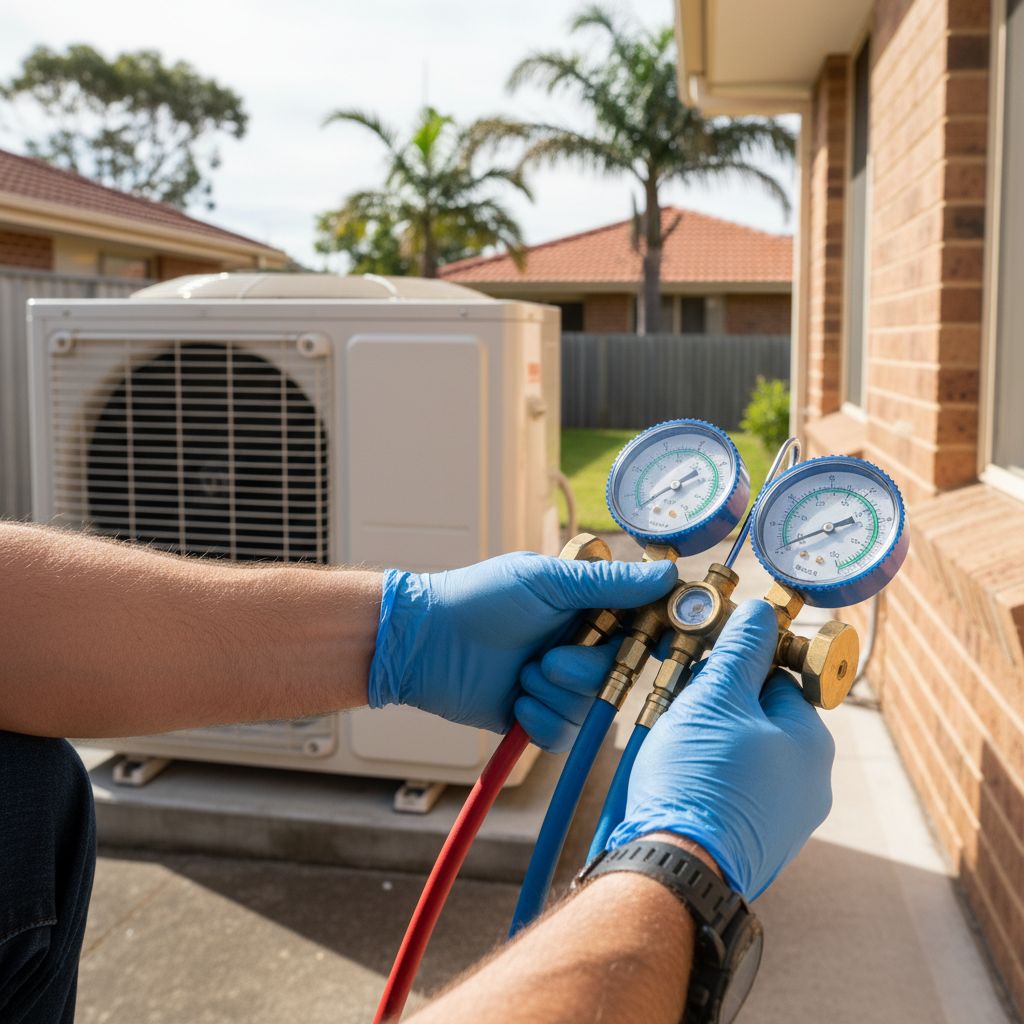
Include electrical and mounting checks in the scope
Do not assume that the existing electrical arrangement is suitable simply because it powered the old unit. The person responsible for the electrical work needs to assess the supply and requirements of the selected equipment. Ask whether that assessment is included and whether any necessary changes are already priced or will be treated as a variation. Leave switchboard covers, wiring and testing to the appropriate professional. Your useful contribution is the history of tripping, previous faults or changes made to the house.
Outside, show the condition of the mounting position and describe weather exposure. Corroded brackets, unstable supports or restricted airflow should be assessed before a new unit is placed on the same base. In a Sunshine Coast coastal home, actual exposure and access matter more than a generic coastal label. Ask whether the proposed mounting suits the new equipment and allows future servicing. Moving a unit to a more accessible position can change pipe and drain routes, so have those consequences included in the same proposal rather than negotiated separately on installation day.
Plan access, removal and the time without cooling
Show the installer how equipment can reach the indoor and outdoor locations. Narrow side paths, stairs, locked gates, balcony access and furniture can affect the work plan. Do not move heavy outdoor equipment or disconnect anything yourself. Ask what you should clear safely before the visit and how fragile finishes will be protected. If the home has shared access or management arrangements, establish the practical access requirements early so the installation is not held up by an avoidable booking problem.
The quotation should explain removal of the old equipment and handling of the existing refrigerant by the installer. Confirm whether old brackets, redundant cable covers and packaging leave the property as part of the job. Ask how long cooling is expected to be unavailable and what could extend that period if hidden issues are found. Do not treat an estimate as a guaranteed completion time. If someone relies on a cooled room for a particular need, arrange a suitable alternative in advance rather than assuming the replacement will always be operating before that room is required.
Hypothetical example: a tidy replacement with hidden work
A homeowner in Buderim receives two offers to replace a failed wall split. Both name equipment of similar nominal capacity. One includes new external pipe covers, inspection of the drain route and removal of redundant brackets; the other says only supply and install replacement. The homeowner initially compares the totals as though the scope is identical. A photograph of the old indoor unit reveals that a smaller replacement could expose an unpainted area, while the outdoor support shows visible deterioration.
The homeowner asks both installers to address the same list: room assessment, retained pipework, drainage, mounting, electrical checks, removal and finishing. One offer is revised, while the other clarifies what decorating remains the owner's responsibility. The comparison is now useful because the unknowns are visible. The lesson is not that every replacement needs every component renewed. It is that an inexpensive-looking changeover and a more detailed proposal cannot be compared fairly until both describe the same retained parts and the same finished result.
Make hidden-condition decisions before work starts
Ask which parts of the installation can be inspected before quoting and which cannot. If concealed pipework or drainage remains uncertain, request a written process for approving additional work. The installer should explain the likely decision point, what evidence will be shown and whether there is an alternative route. Do not accept an open-ended assumption that any hidden issue can simply be added without discussion. Equally, do not demand a fixed technical verdict on a component nobody has been able to inspect.
A useful scope separates included work, owner preparation, exclusions and conditional items. It also identifies the exact equipment and any optional controls. Avoid selecting add-ons to solve problems they do not address: Wi-Fi does not fix poor placement, and a new remote does not establish pipe compatibility. Keep the old diagnosis, photos and agreed scope together. If the plan changes on the day, record the change before the installation proceeds so the finished system can be checked against what was actually agreed.
Check the completed system and keep its records
At handover, ask the installer to demonstrate normal operation, fan direction, timers and the method of cleaning user-accessible filters. Confirm that the drain and other relevant installation checks have been completed and that any concerns found during the work have been addressed. Inspect the agreed visible finishing and confirm what remains for you or another trade. Take a photograph of the new model information while it is easy to access and keep it with the operating instructions and invoice.
Ask who to contact for an installation issue and where to find the actual product warranty terms. Do not rely on a general verbal promise that everything is covered for the same period. After using the room normally, record any unresolved noise, airflow or comfort issue rather than repeatedly changing settings to compensate. The tool below turns your known constraints into a replacement brief. It helps you request comparable scope while leaving technical reuse, electrical and refrigerant decisions with the people assessing the equipment and installation.